
This opinion piece was originally published in the NH Union Leader, Concord Monitor and NH Business Review.
// By Gail Garceau and Alisa Druzba //
Across New Hampshire, families are making impossible choices: live in unsafe, overcrowded, and unhealthy housing—or risk having nowhere to go at all. From Berlin to Keene, Nashua to North Conway, the message is clear: the Granite State is in the midst of a housing crisis that is not just about supply and demand, but about the stability, safety, and dignity of our communities.
According to the NH Children’s Health Dashboard, living in an Older Home, defined as one built between 1940 and 1969, is the leading condition linked to poor health outcomes for children and families. Owner Occupied Substandard Housing has the twelfth strongest correlation to poor health.
Why? Older homes are more likely to contain lead paint, and protecting children from lead exposure is important because it can affect their health for their whole lives.
There is no “safe” blood lead level in children.
Substandard housing can mean too many people living in one place, not having basic amenities like water and proper toilets, and high costs. These problems are associated with bad outcomes for children and their families, like poverty, being left out of society, and poor health.
In addition to the Dashboard’s comprehensive data overview, the New Hampshire Children’s Health Foundation commissioned a professionally conducted qualitative assessment to gain deeper insights into the conditions identified, gathering input from parents, guardians, and experts.
In these interviews and focus groups, residents, parents, and service providers spoke candidly about their struggles to find and keep safe, affordable housing. From seasonal short-term rentals pricing out locals, to crumbling apartments with lead paint and no heat, to mounting fears of eviction for simply asking a landlord to fix a leak—the lived reality stands in stark contrast to the state’s image of quiet prosperity.
This is not just a housing issue, it’s a health issue, an economic issue, and a moral one.
The story begins with a fundamental shift in who can afford to live in New Hampshire. Local informants across the state cite the impact of tourism, remote work, and out-of-state investment.
“We are in a high tourist industry area. During COVID, lots of homes got bought up,” noted a service provider in Carroll County during one of our assessment interviews.
“People who can work remotely can live anywhere and have taken up a lot of housing,” echoed another service provider in Rockingham and Strafford counties.
Market rents across New Hampshire now far outpace what many families can afford. Focus group participants reported rent for a two-bedroom apartment ranging from $1200 to $1500 in Berlin, Lancaster, and Claremont to $1800 to $2000 in Manchester, Nashua, Keene, Concord and Lebanon.
“We have minimal affordable housing. It’s a crisis. There are big efforts going on for more affordable housing. But the whole middle-class piece is missing. Even if housing is available, the cost is prohibitive for those that don’t qualify for assistance,” commented a nonprofit agency head from Keene.
Even for those who find housing, conditions are often poor. Families describe mold, lead, leaks, and absentee landlords—with fear of eviction preventing them from speaking out.
“People are making sacrifices in terms of where they live. When you don’t have a lot of money, you don’t have a lot of choice about where you live in the community. For example, we have a lot of asbestos and lead in our community and a lot of bad landlords. And you are just stuck,” a Rochester focus group participant said.
Unstable housing has deep consequences for families, especially children. Without a permanent address, families lose access to services. Constant moves disrupt health care, schooling and emotional well-being.
Another local expert we interviewed commented, “I don’t know how families are doing it. When there is housing instability and they have to move to another town, it affect the kids’ health, stability, academics and their level of stress.”
Finding housing is just the beginning. High deposits, credit checks, and past records lock many people out.
“You need three times the rent, a credit check, and have to pay to turn everything on,” a Claremont focus group participant told us.
Even homeowners are feeling the pressure—especially grandparents unexpectedly raising grandchildren. These kinship caregivers often face home repair needs, rising property taxes and increasing utility bills.
Among the focus group participants, grandparents were more likely to be homeowners. Most bought their homes many years ago, when costs were lower. Most were planning for retirement. However, the unanticipated expense of raising their grandchildren has had an impact on their housing and overall finances.
“My husband and I spent three years building our retirement home, but we did it without a mortgage. Then we got a call saying, ‘You have to take these children.’ With the cost of food and clothing for four kids and all the services they need to address their trauma, we had to take a mortgage out on the house, and we are up to our eyeballs in credit card debt,” a North Conway focus group participant told us.
Despite the challenges, participants in our focus groups and key informant interviews voiced ideas and hope for solutions. These include requiring new housing developments to include affordable units; removing barriers like long waitlists for housing programs; increasing funding for housing vouchers; strengthening tenant protections; supporting kinship caregivers with stable aid; enforcing housing health and safety codes; and lessening the state’s reliance on local property taxes to keep tax increases to a minimum.
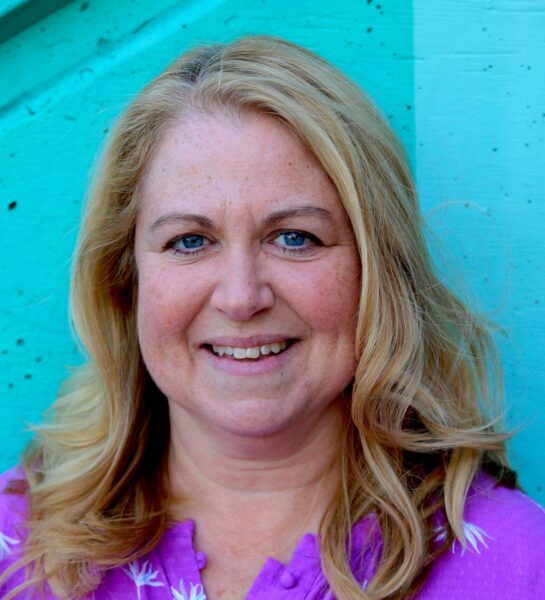

Gail Garceau is President, and Alisa Druzba is Director of Research and Community Impact, of the New Hampshire Children’s Health Foundation. The foundation’s Children’s Health Dashboard may be found at dashboard.nhchildrenshealthfoundation.org.